Designing the Ideal Plumbing System for Your New Home Build in Natick

Designing the right plumbing system for your new home in Natick, MA is one of the most important decisions you’ll make during construction. A well-planned system ensures strong water pressure, efficient drainage, energy savings, and fewer repairs over time.
The key is getting it right from the start—because once your home is built, making changes becomes expensive and disruptive. Here’s how to design a plumbing system that performs reliably for decades.
Why Plumbing Design Matters in New Construction
Plumbing is not just about pipes—it’s about how your entire home functions.
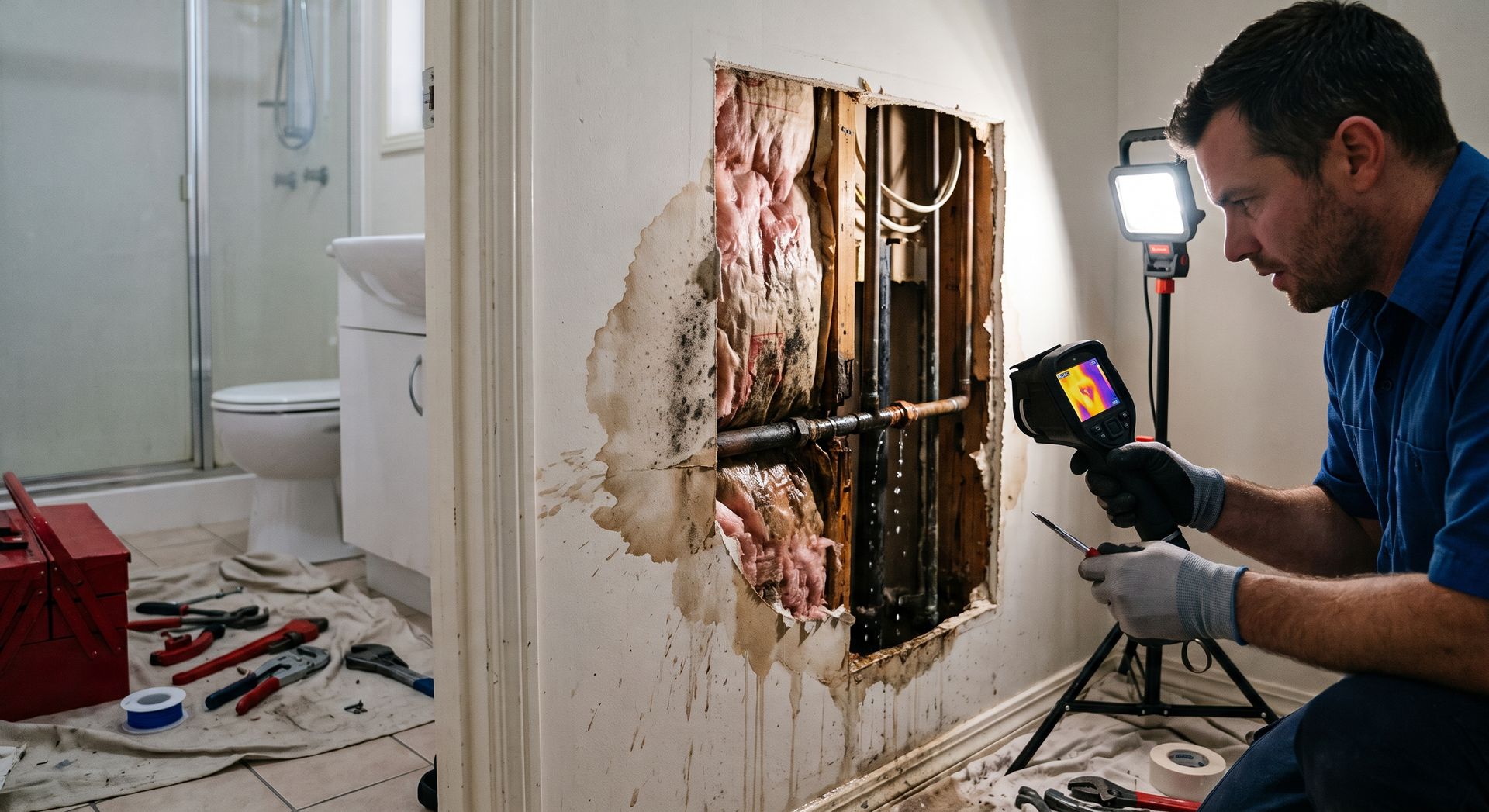
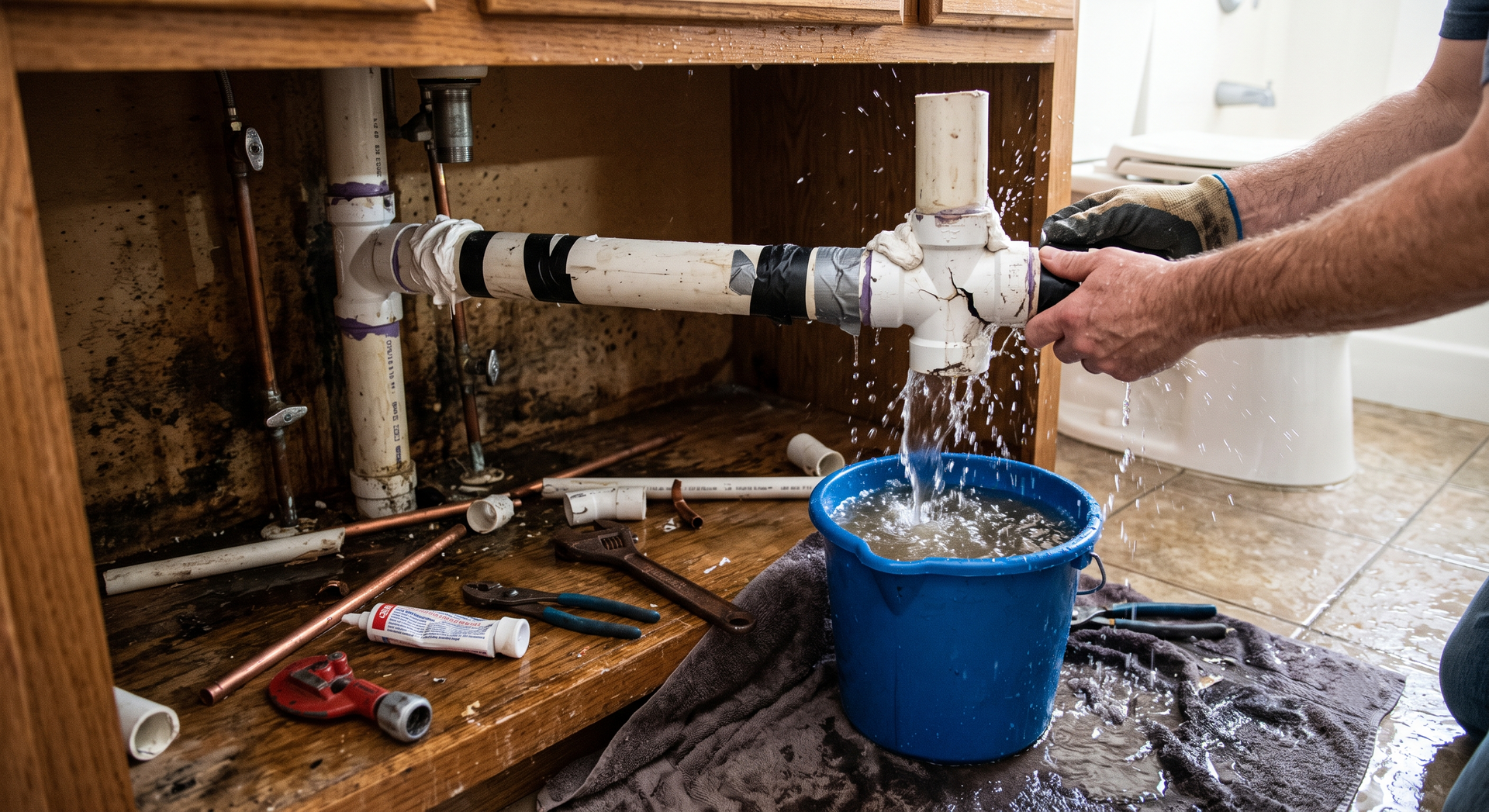
A poorly designed system can lead to:
- Uneven water pressure
- Slow or clogged drains
- Higher utility bills
- Frequent maintenance issues
In contrast, a well-designed system improves:
- Comfort and convenience
- Water efficiency
- Long-term durability
- Home resale value
Working with an experienced contractor like
[Connerney Plumbing and Heating – https://www.connerneyplumbing.com/]
ensures your system is tailored to your home and local conditions.
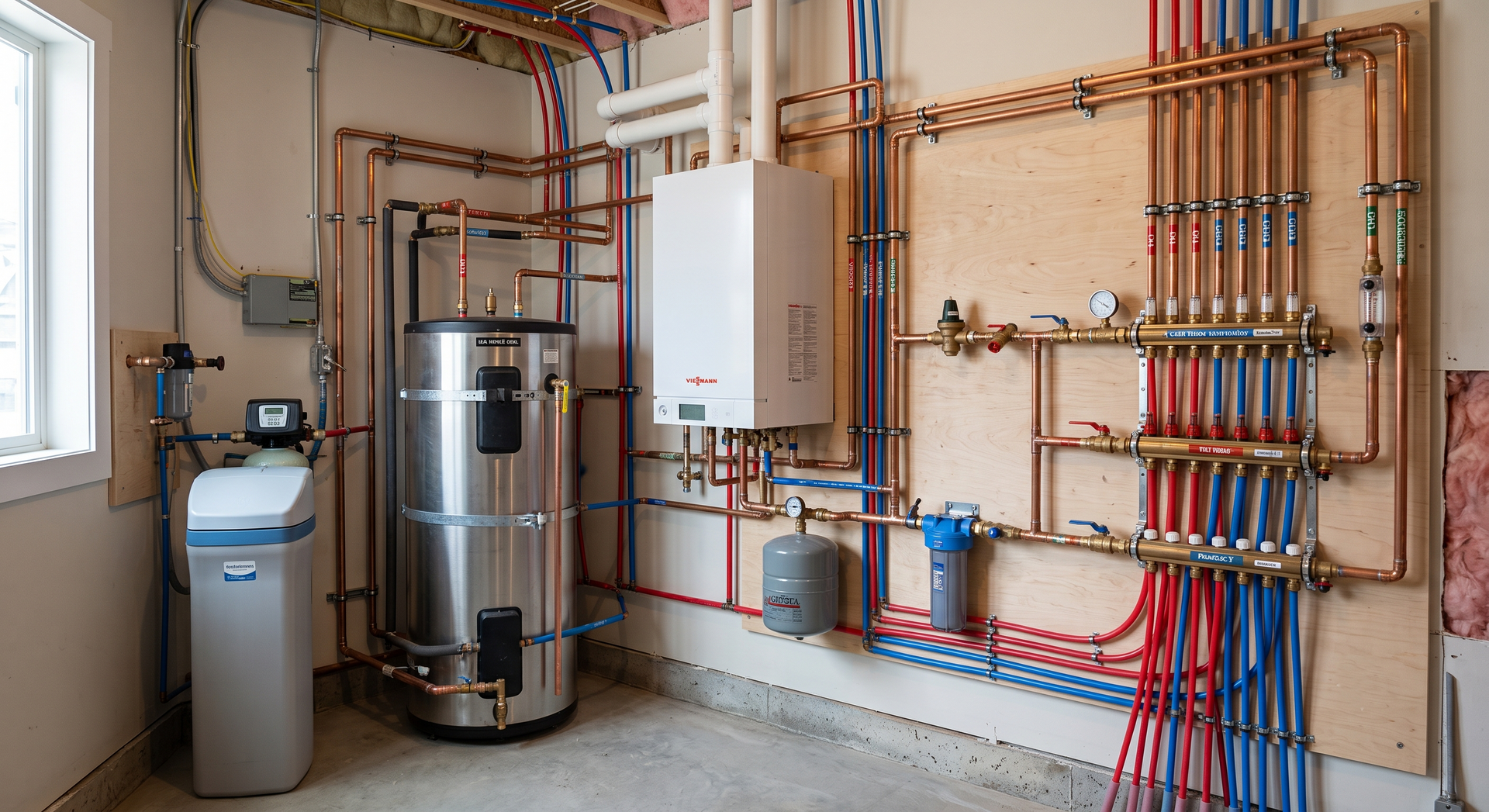
Key Components of a New Home Plumbing System
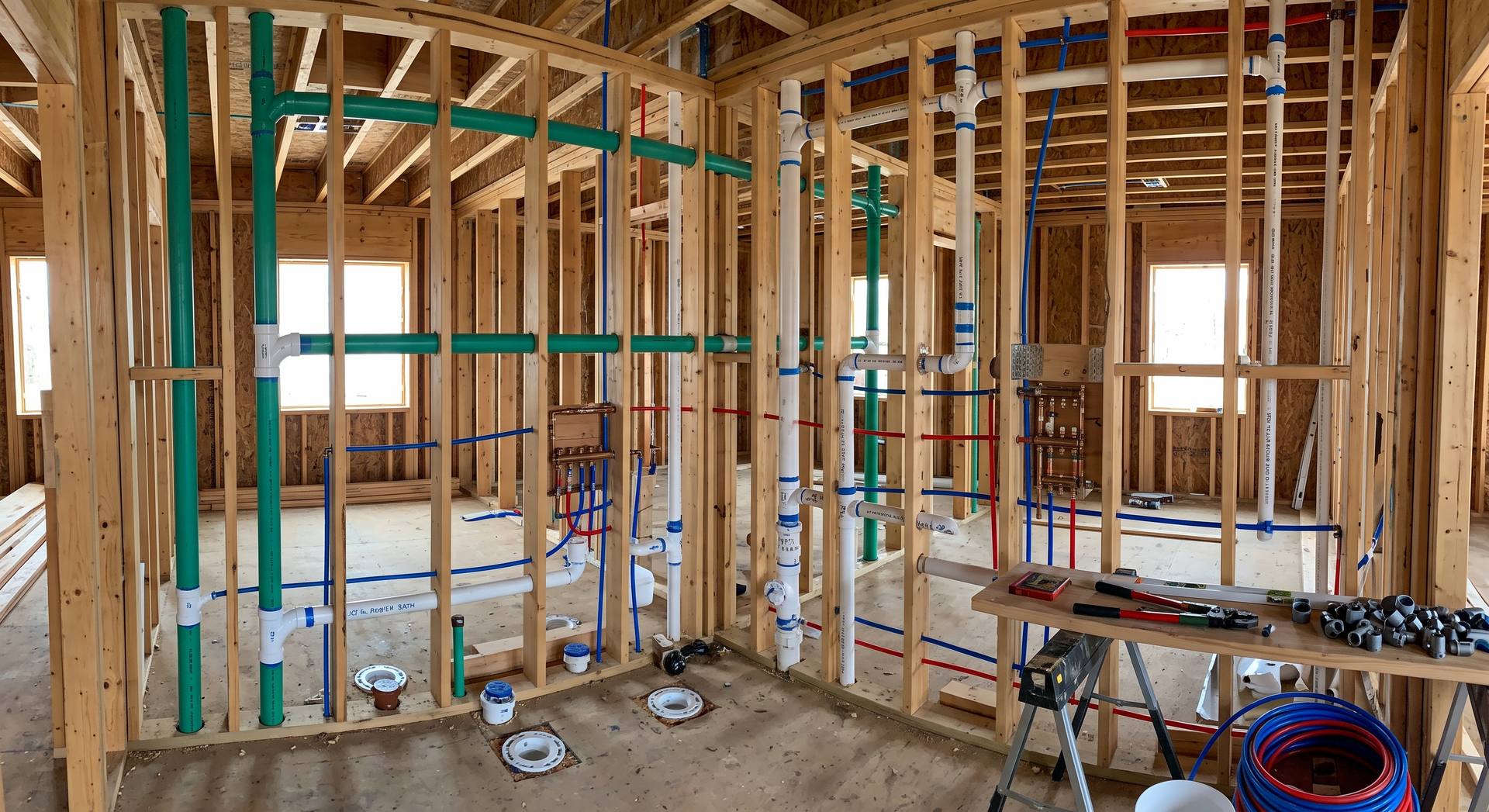
1. Water Supply System
Delivers clean water throughout your home.
Includes:
- Main water line
- Hot and cold water distribution
- Shut-off valves
2. Drain, Waste, and Vent (DWV) System
Removes wastewater safely and efficiently.
Includes:
- Drain pipes
- Vent stacks
- Sewer connections
3. Fixtures and Appliances
All endpoints of your plumbing system:
- Sinks, toilets, showers
- Dishwashers and washing machines
- Water heaters
Step-by-Step Guide to Designing Your Plumbing System
Step 1: Plan Your Layout Carefully
Efficient layout design reduces costs and improves performance.
Best practices:
- Group kitchens, bathrooms, and laundry areas together
- Minimize long pipe runs
- Keep plumbing centralized when possible
Step 2: Choose the Right Pipe Materials
Material selection impacts durability and performance.
Common options:
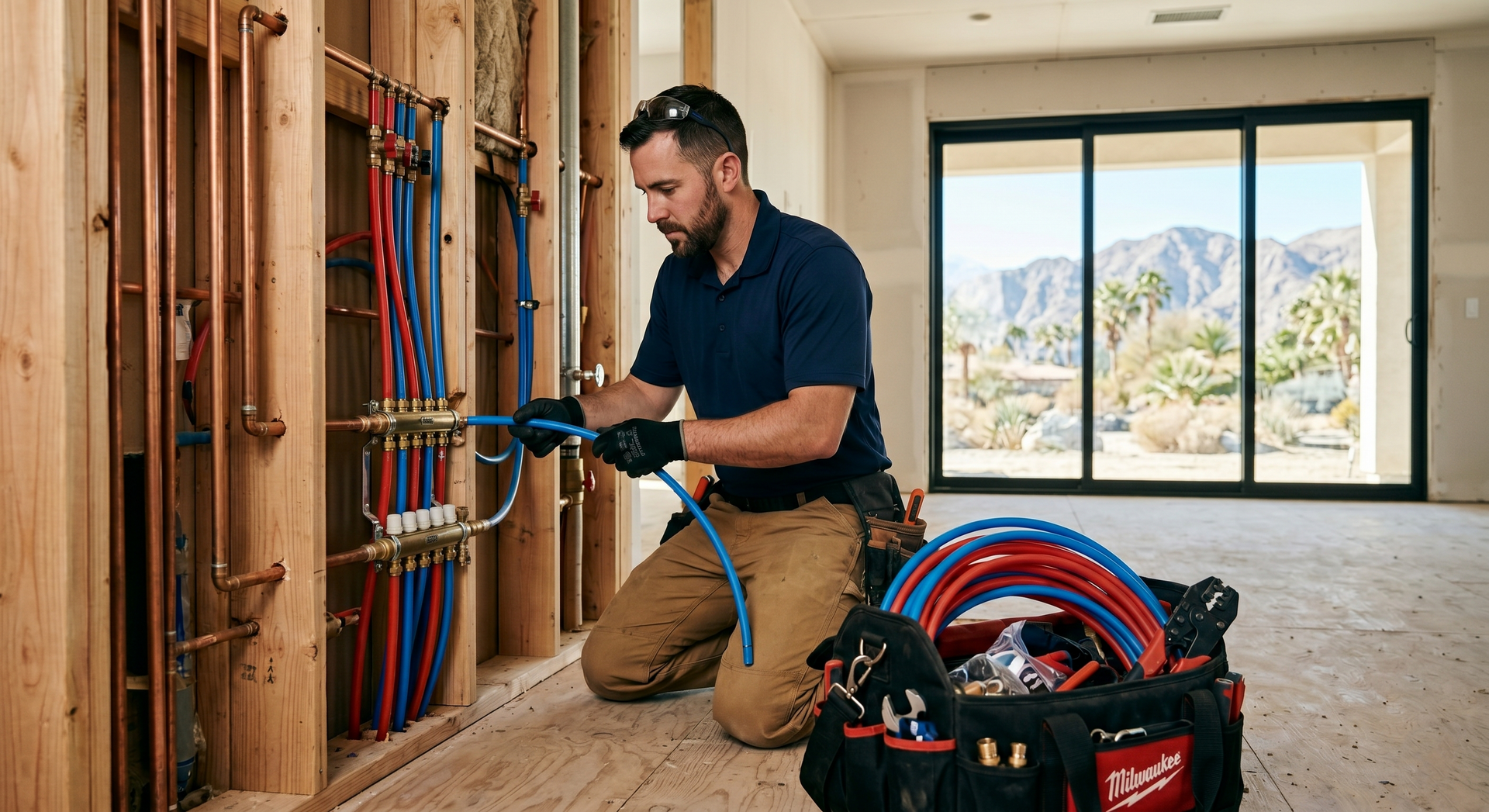
- PEX: Flexible, freeze-resistant, cost-effective
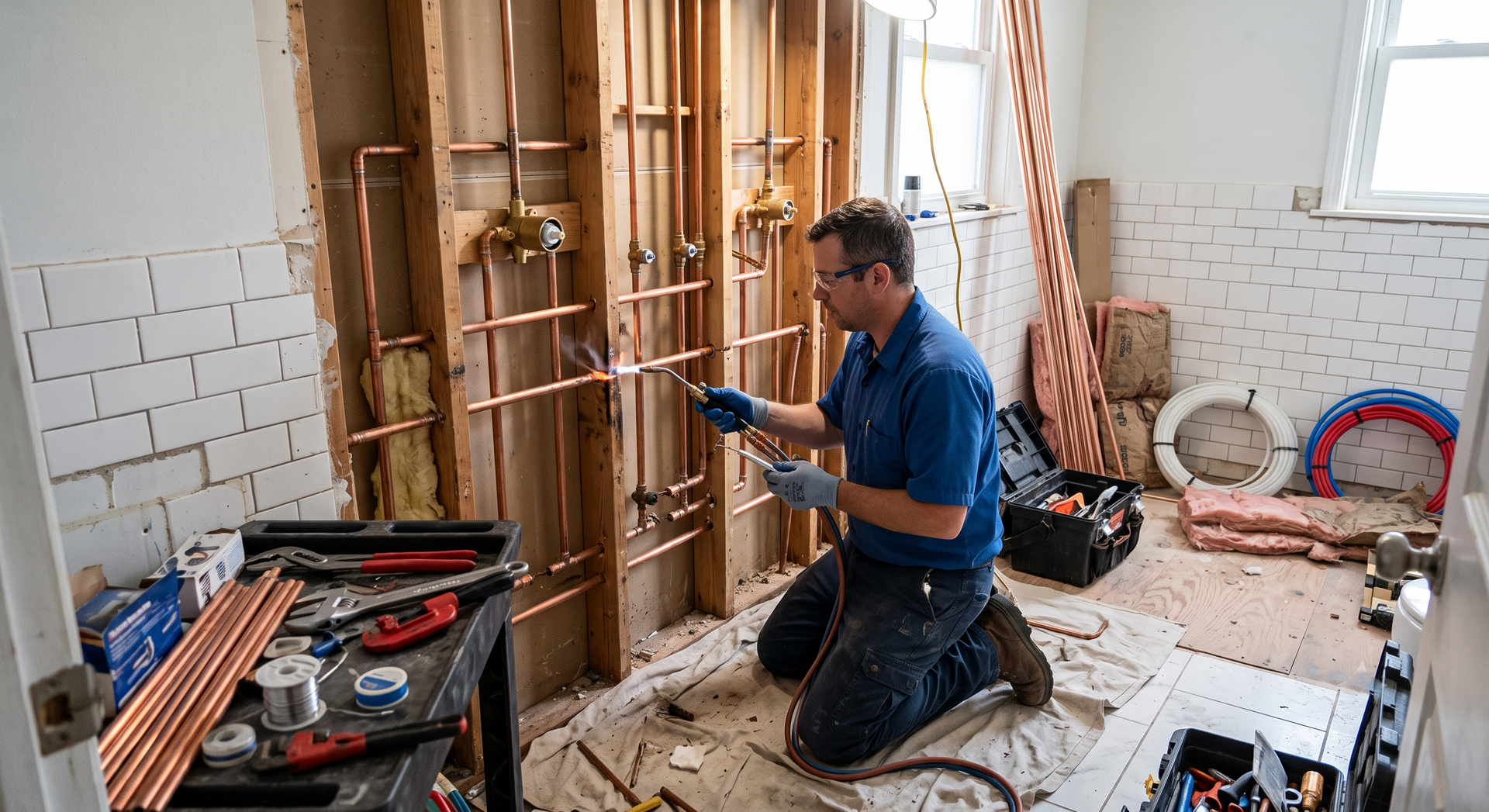
- Copper: Durable and long-lasting
- PVC/CPVC: Used for drainage and certain supply lines
In Massachusetts, PEX is often preferred due to its resistance to freezing temperatures.
Step 3: Optimize Water Pressure
Proper system design ensures consistent water pressure throughout the home.
This may involve:
- Correct pipe sizing
- Pressure regulators
- Strategic layout planning
Step 4: Plan for Energy Efficiency
Modern plumbing systems can significantly reduce energy use.
Consider:
- Tankless water heaters
- Insulated pipes
- Low-flow fixtures
Learn more:
[EPA WaterSense – https://www.epa.gov/watersense]
Step 5: Future-Proof Your System
Think long-term when designing your system.
Plan for:
- Additional bathrooms
- Basement finishing
- Outdoor plumbing (irrigation, hose bibs)
Adding capacity now is far more cost-effective than upgrading later.
Local Considerations for Natick, MA
Cold Weather Protection
Massachusetts winters require:
- Pipe insulation
- Strategic placement away from exterior walls
- Freeze-resistant materials
Older Infrastructure Compatibility
Even new homes may connect to older municipal systems, requiring careful planning.
Strict Plumbing Codes
All work must comply with state regulations:
[Massachusetts Plumbing Code – https://www.mass.gov/orgs/board-of-state-examiners-of-plumbers-and-gas-fitters]
Working with a licensed local plumber ensures compliance and avoids delays.
Common Mistakes in New Home Plumbing Design
- Poor layout planning leading to inefficient systems
- Choosing low-quality materials
- Not planning for future expansion
- Ignoring energy efficiency opportunities
- Hiring inexperienced contractors
Avoiding these mistakes ensures your system performs well for years.
Best Practices for New Home Plumbing
Involve a Plumber Early
Bring in a professional during the design phase—not after plans are finalized.
Coordinate with Your Builder
Ensure plumbing plans align with structural and electrical systems.
Invest in Quality
Higher-quality materials and workmanship reduce long-term costs.
Schedule Inspections Throughout Construction
Regular inspections catch issues early and keep your project on track.
FAQs
What is the best plumbing system for a new home?
A well-designed system using durable materials like PEX or copper is ideal for most homes.
How early should plumbing be planned in new construction?
During the design phase, before construction begins.
Is PEX better than copper in Massachusetts?
PEX is often preferred for its flexibility and resistance to freezing.
Can I customize my plumbing system?
Yes. Layout, fixtures, and materials can all be tailored to your needs.
Do I need permits for new construction plumbing in Natick?
Yes. All work must comply with Massachusetts plumbing codes.
Build Your Home with a Plumbing System That Lasts
Designing the right plumbing system is essential for comfort, efficiency, and long-term value.
Connerney Plumbing and Heating specializes in new construction plumbing in Natick, MA, helping homeowners build systems that perform for decades.
Request a consultation today and start your project with expert guidance: https://www.connerneyplumbing.com/contact-us
Serving Natick, MA and surrounding communities.