Planning a home addition in Natick, MA? Whether you're adding a bathroom, expanding your kitchen, or building a new living space, plumbing plays a critical role in your project’s success. Poor planning can lead to costly delays, code violations, and long-term performance issues.
The good news: with the right plumbing strategy and a qualified contractor, your addition can integrate seamlessly with your existing system. Here’s everything you need to know before starting your project.
Why Plumbing Is Critical in Home Additions
Unlike cosmetic upgrades, plumbing requires structural planning and system integration. You’re not just adding pipes—you’re extending your home’s entire water and drainage system.
Mistakes during this phase can result in:
- Poor water pressure in new or existing areas
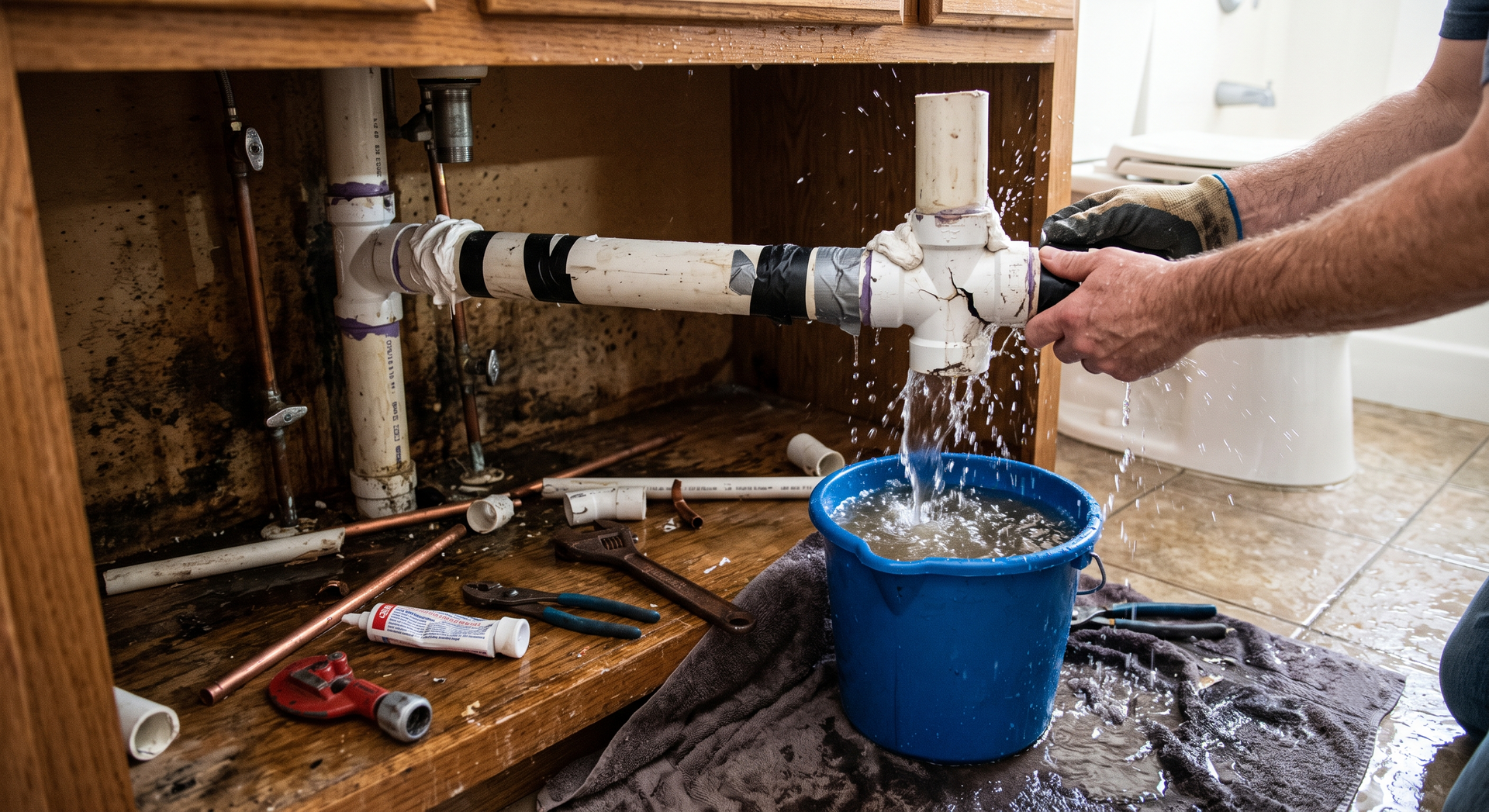
- Drainage issues and backups
- Code violations and failed inspections
- Expensive rework after walls are finished
Working with a local expert like
[Connerney Plumbing and Heating – https://www.connerneyplumbing.com/]
ensures your addition is designed for performance, efficiency, and compliance.
Types of Home Additions That Require Plumbing
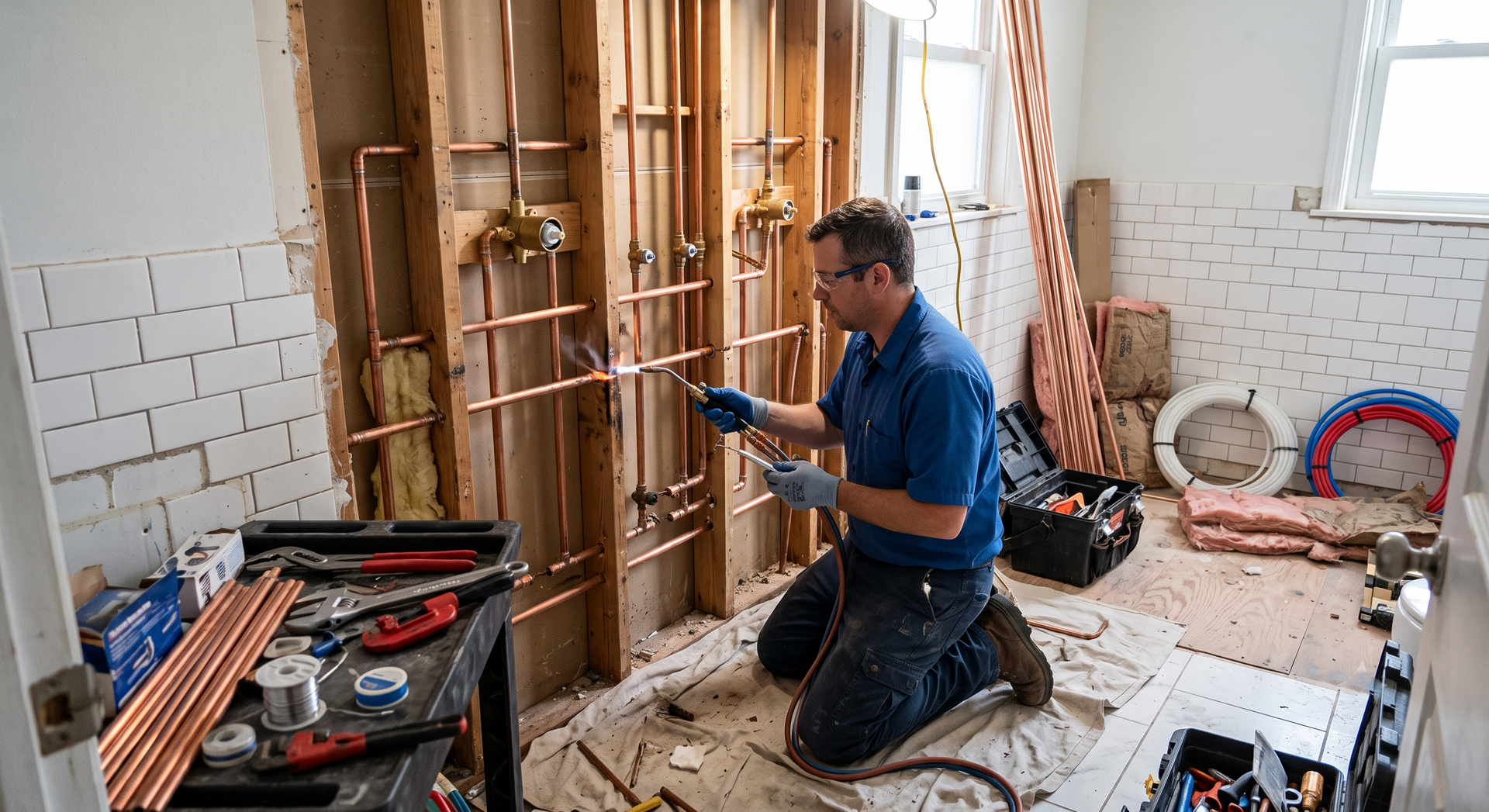
Bathroom Additions
One of the most common projects, requiring:
- Water supply lines
- Drain and vent systems
- Fixture installation (toilet, sink, shower/tub)
Kitchen Expansions or Additions
May include:
- Sink and dishwasher hookups
- Refrigerator water lines
- Garbage disposal systems
Laundry Room Additions
Require:
- Water supply and drainage
- Venting for appliances
- Proper floor drainage considerations
In-Law Suites or Guest Units
Often need full plumbing systems, including:
- Bathrooms
- Kitchenettes
- Separate water lines in some cases
Key Plumbing Considerations for Your Natick Addition
1. Connecting to Existing Plumbing
One of the biggest challenges is tying into your current system.
A professional plumber will:
- Evaluate your existing pipes
- Determine capacity and condition
- Ensure the system can handle increased demand
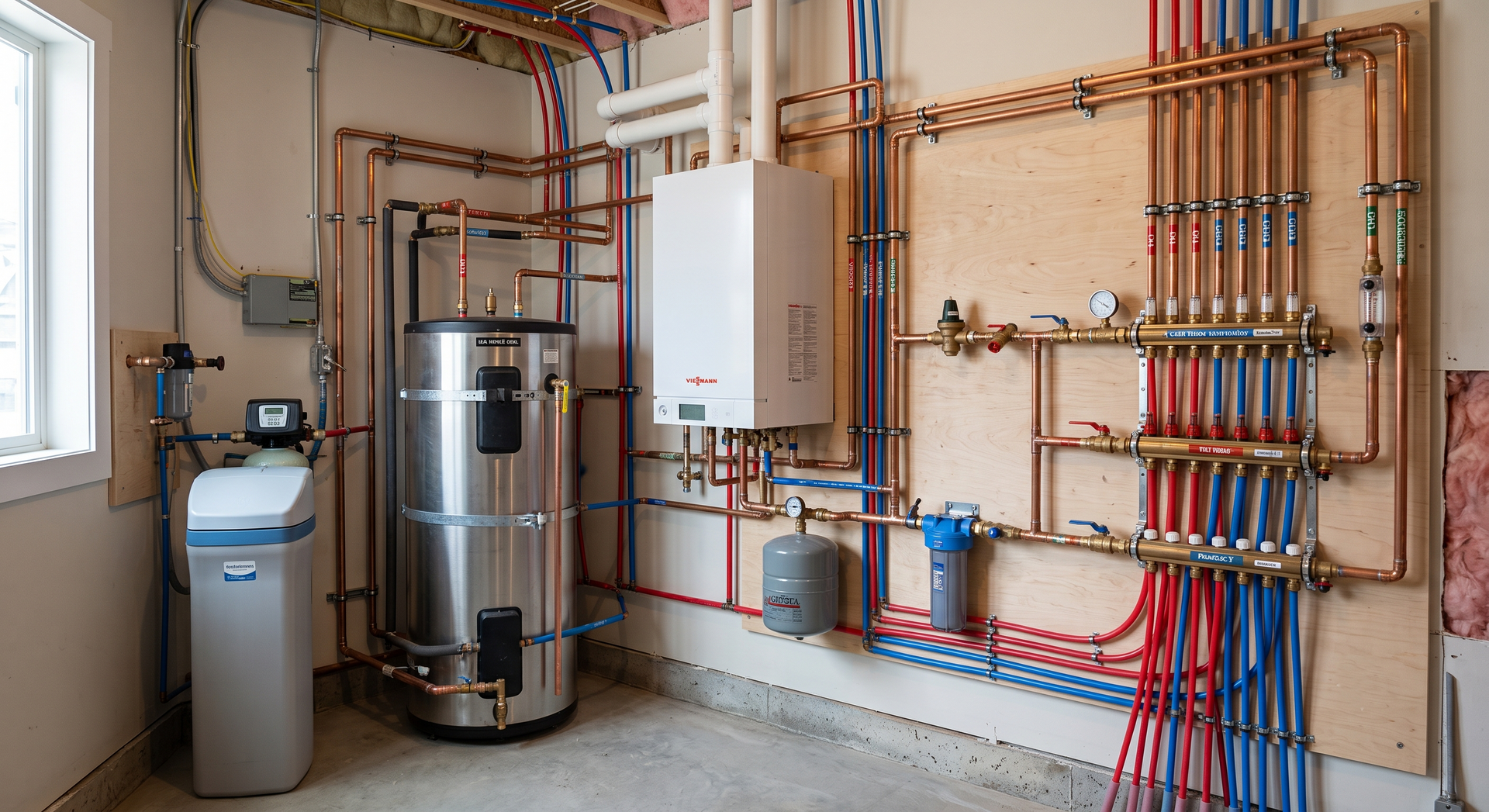
Older homes in Natick may require upgrades before adding new plumbing.
2. Water Pressure and Flow
Adding fixtures increases demand on your system.
Without proper planning, you may experience:
- Weak showers
- Slow-filling sinks
- Inconsistent pressure throughout the home
Upgrades to pipe size or layout may be needed.
3. Drainage and Venting Requirements
Proper drainage is essential to prevent:
- Slow drains
- Sewer gas odors
- Backups
Your plumber must design a system that meets Massachusetts plumbing codes and ensures proper venting.
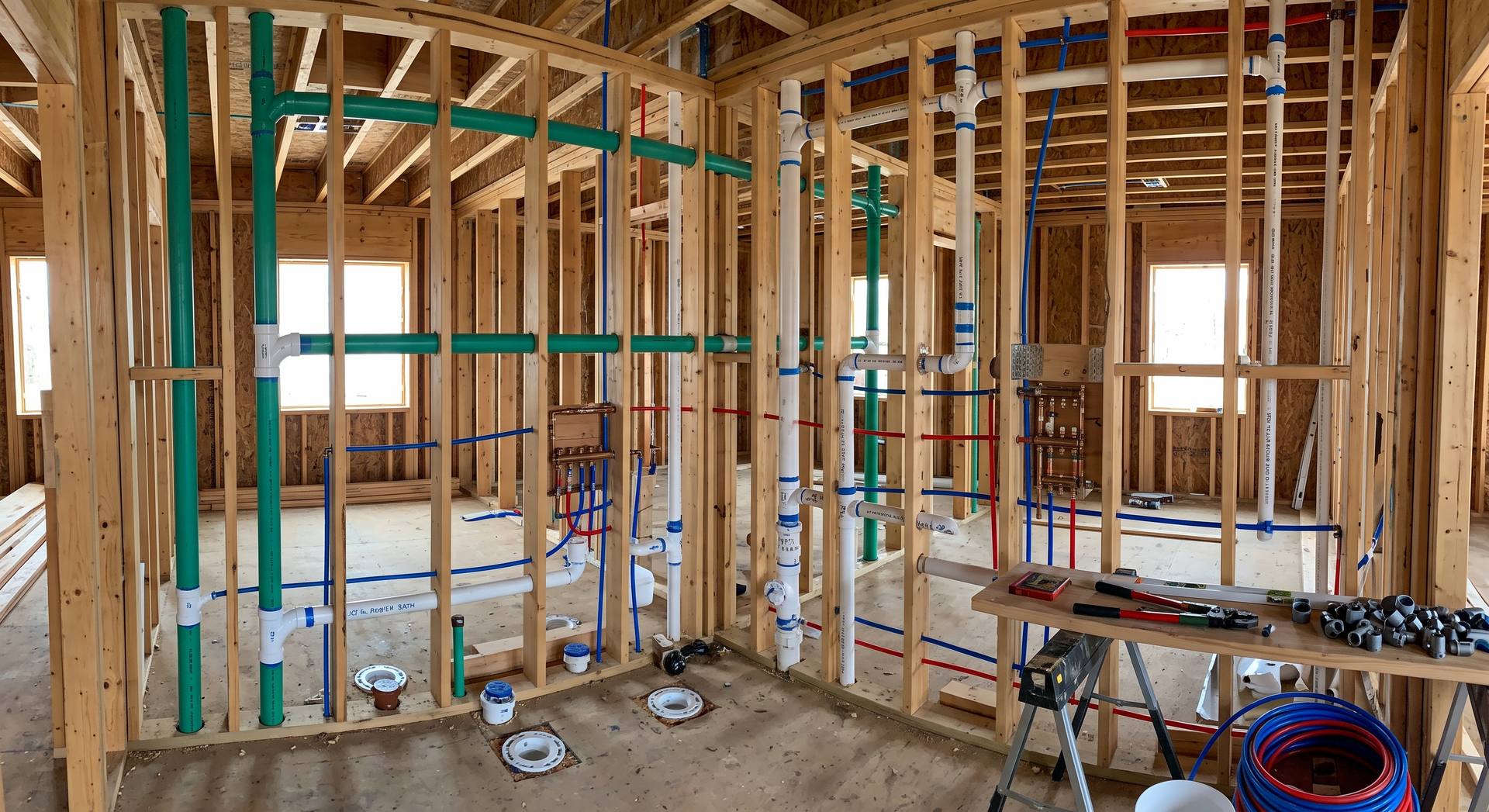
4. Pipe Placement and Layout
Efficient pipe routing reduces costs and improves performance.
Best practice:
- Place new plumbing near existing lines when possible
- Minimize long pipe runs
This is especially important in tight layouts or second-story additions.
5. Permits and Code Compliance
All plumbing work in Natick requires permits and must meet state regulations.
Your contractor should:
- Handle permit applications
- Schedule inspections
- Ensure full compliance
Learn more here:
[Massachusetts Plumbing Code – https://www.mass.gov/orgs/board-of-state-examiners-of-plumbers-and-gas-fitters]
6. Preparing for Massachusetts Weather
Cold winters make freeze protection essential.
Your system should include:
- Pipe insulation
- Proper placement away from exterior walls when possible
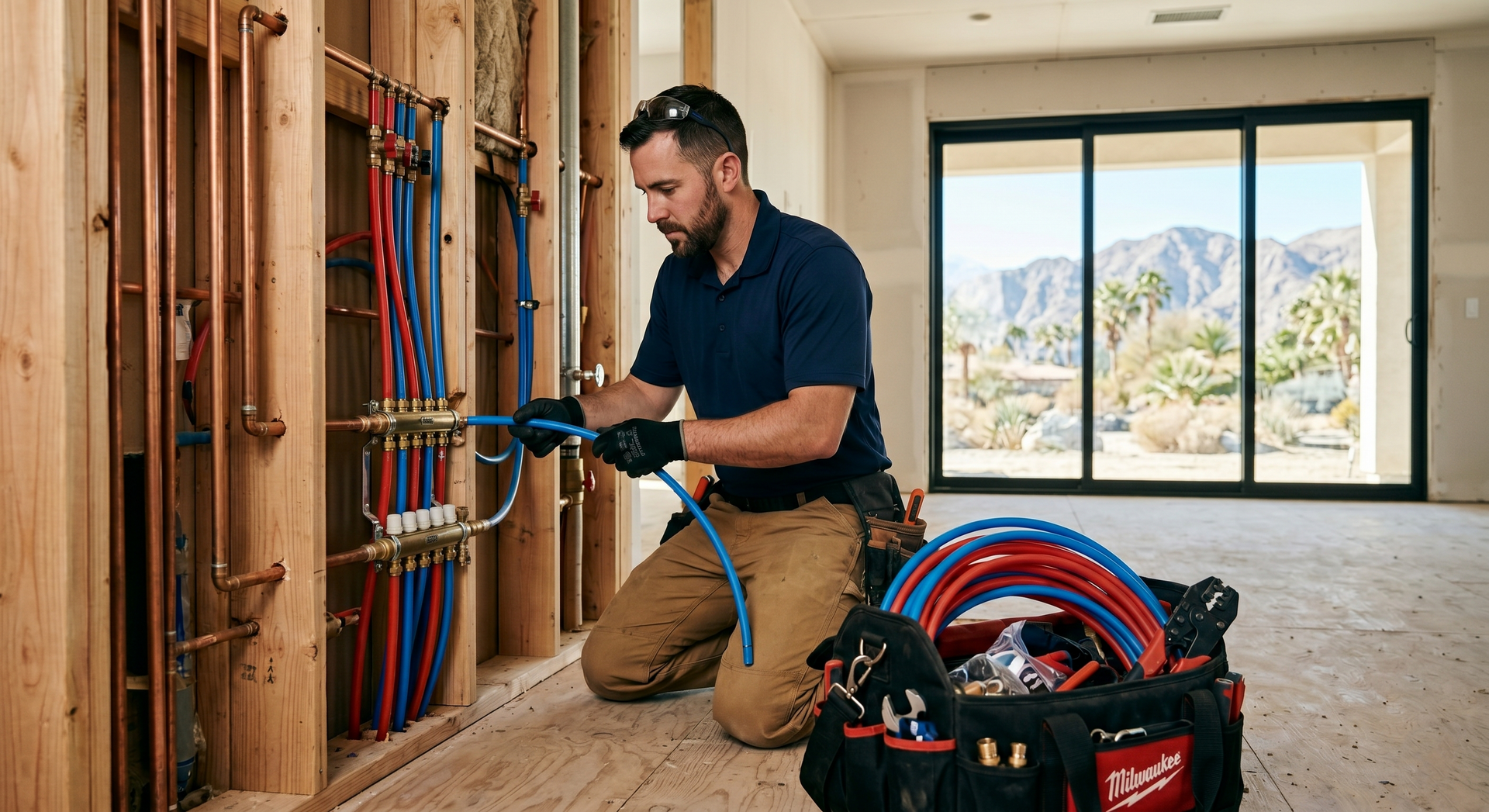
- Freeze-resistant materials like PEX
Cost Factors for Plumbing in Home Additions
Several factors influence cost:
- Size of the addition
- Number of fixtures
- Distance from existing plumbing
- Material choices
- Required upgrades to existing systems
While costs vary, investing in proper planning upfront prevents expensive corrections later.
Best Practices for Plumbing in Home Additions
Plan Early
Bring in a plumber during the design phase—not after construction starts.
Avoid Overloading Old Systems
If your plumbing is outdated, consider upgrades or partial repiping.
Choose Durable Materials
Massachusetts homes benefit from long-lasting materials like PEX or copper.
Think Long-Term
Plan for:
- Future renovations
- Additional fixtures
- Increased household demand
Common Mistakes to Avoid
- Skipping professional planning
- Ignoring existing system limitations
- Using low-quality materials
- Failing to get permits
- Poor pipe placement leading to inefficiency
Avoiding these mistakes ensures your addition performs as expected.
FAQs
Do I need a plumber for a home addition?
Yes. Plumbing must be professionally designed and installed to meet code and function properly.
Can my existing plumbing handle an addition?
It depends on the system’s age, size, and condition. A professional assessment is required.
How long does plumbing take for a home addition?
It varies by project, but typically aligns with construction phases and inspections.
Do I need permits for plumbing work in Natick?
Yes. All plumbing work must comply with Massachusetts regulations and requires permits.
What is the best pipe material for additions in Massachusetts?
PEX is commonly used due to its flexibility and freeze resistance.
Start Your Home Addition the Right Way
If you're planning a home addition in Natick, MA, proper plumbing design is essential to avoid costly issues and ensure long-term performance.
Connerney Plumbing and Heating specializes in:
- Plumbing for home additions
- Remodels and upgrades
- New construction plumbing
Request a quote today and make sure your project is built on a solid plumbing foundation.
Proudly serving Natick, MA and surrounding areas including Framingham,
Wellesley, and Needham.