Understanding Plumbing Rough-Ins for New Construction in Massachusetts

Plumbing rough-ins are one of the most critical stages of any new construction project in Massachusetts. This phase lays the foundation for your entire plumbing system—before walls are closed and finishes are installed. If done correctly, everything works seamlessly. If done poorly, it can lead to costly repairs and delays.
For homeowners building in Natick, MA, understanding the rough-in process helps ensure your home is built efficiently, safely, and up to code.
What Is a Plumbing Rough-In?
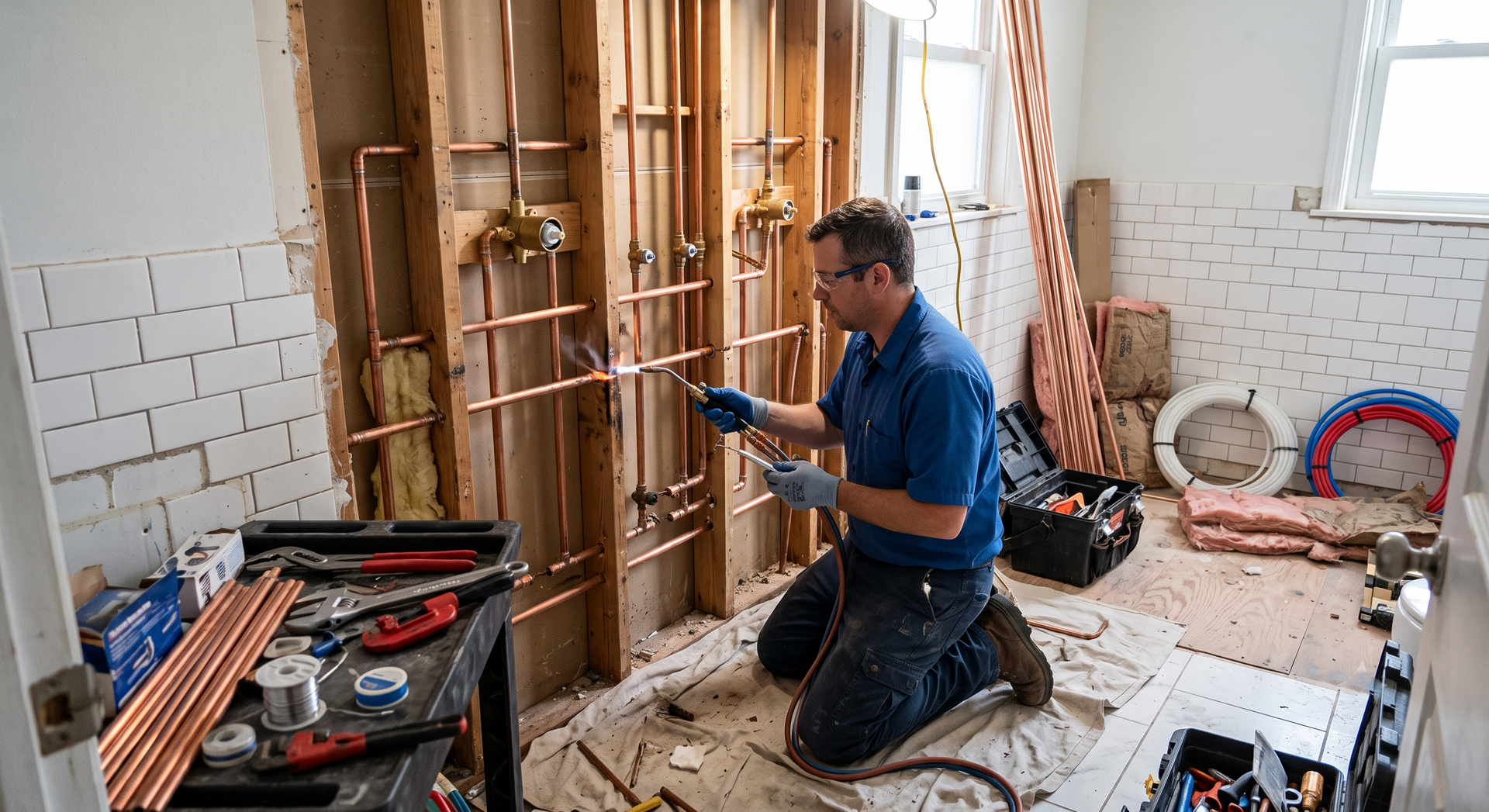
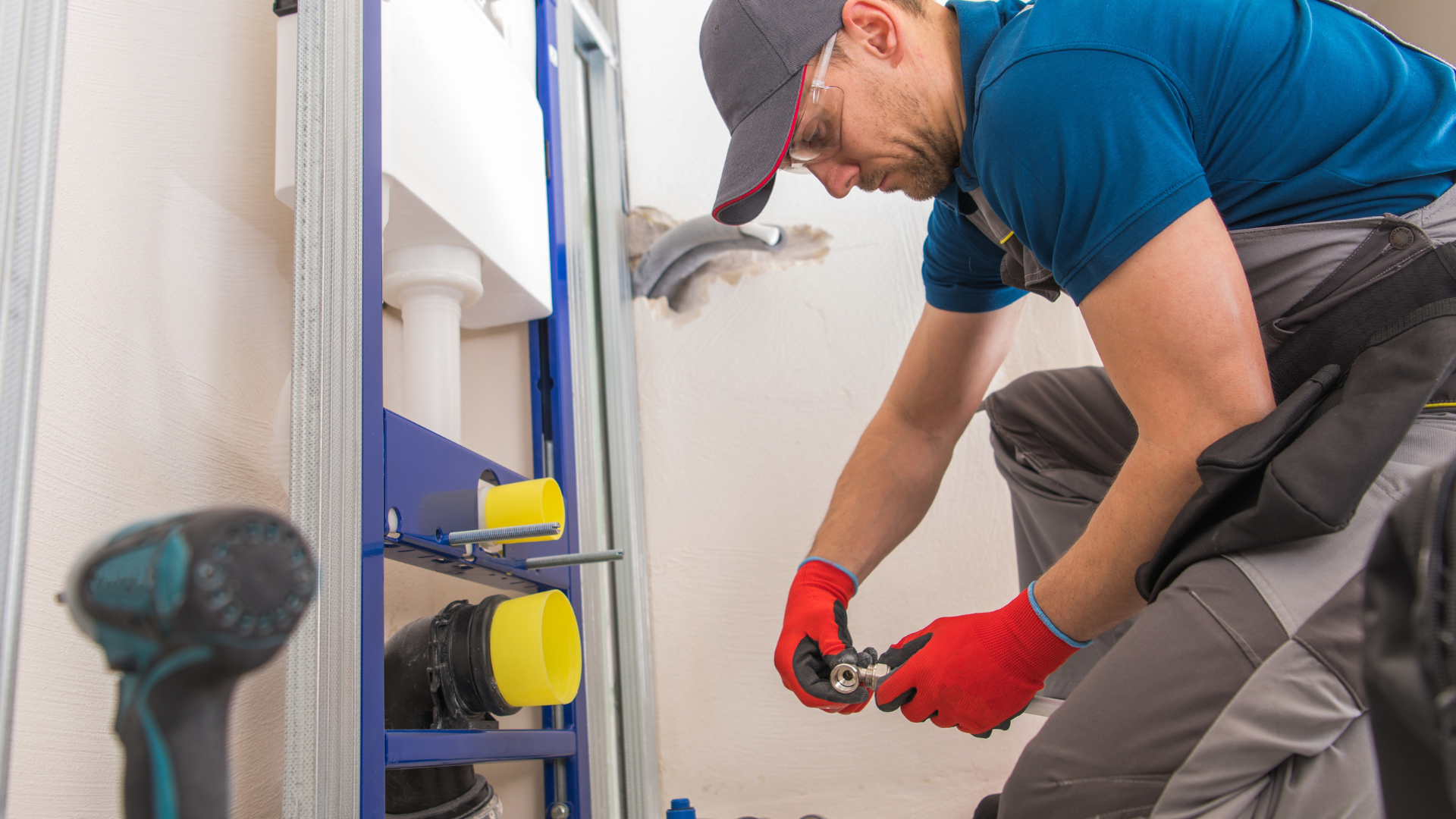
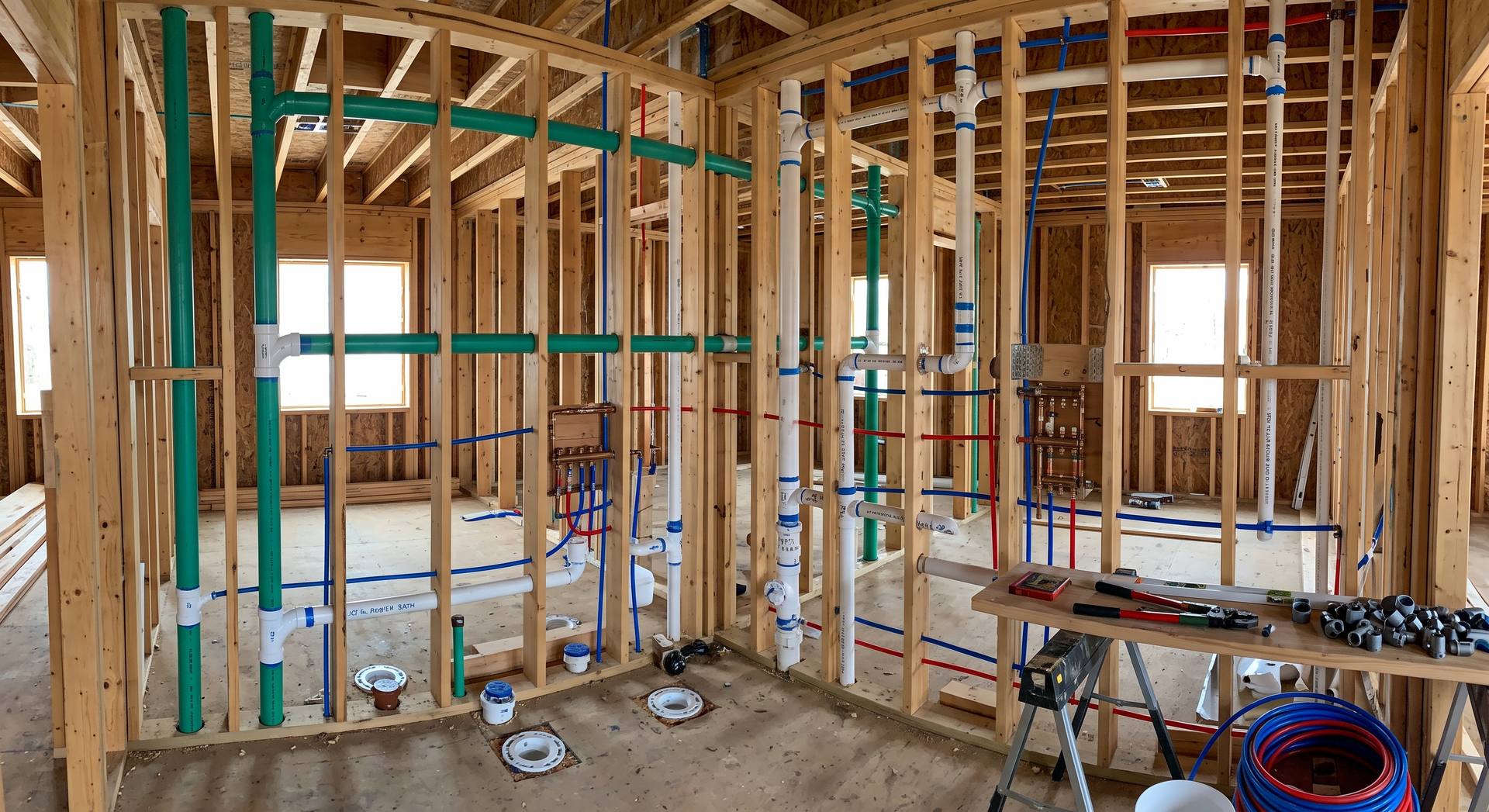
A plumbing rough-in is the phase where all the core plumbing infrastructure is installed before drywall and flooring go in.
This includes:
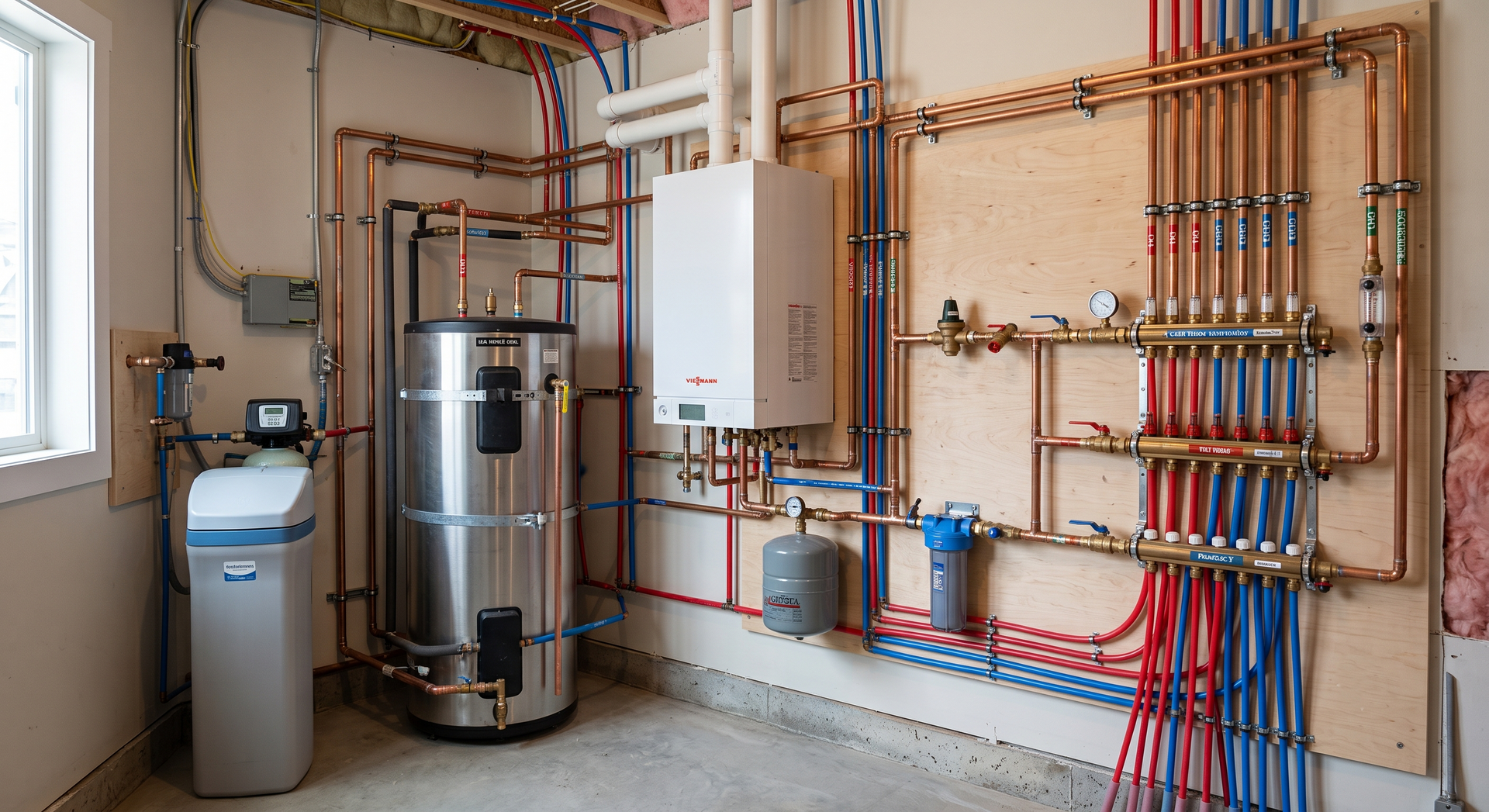
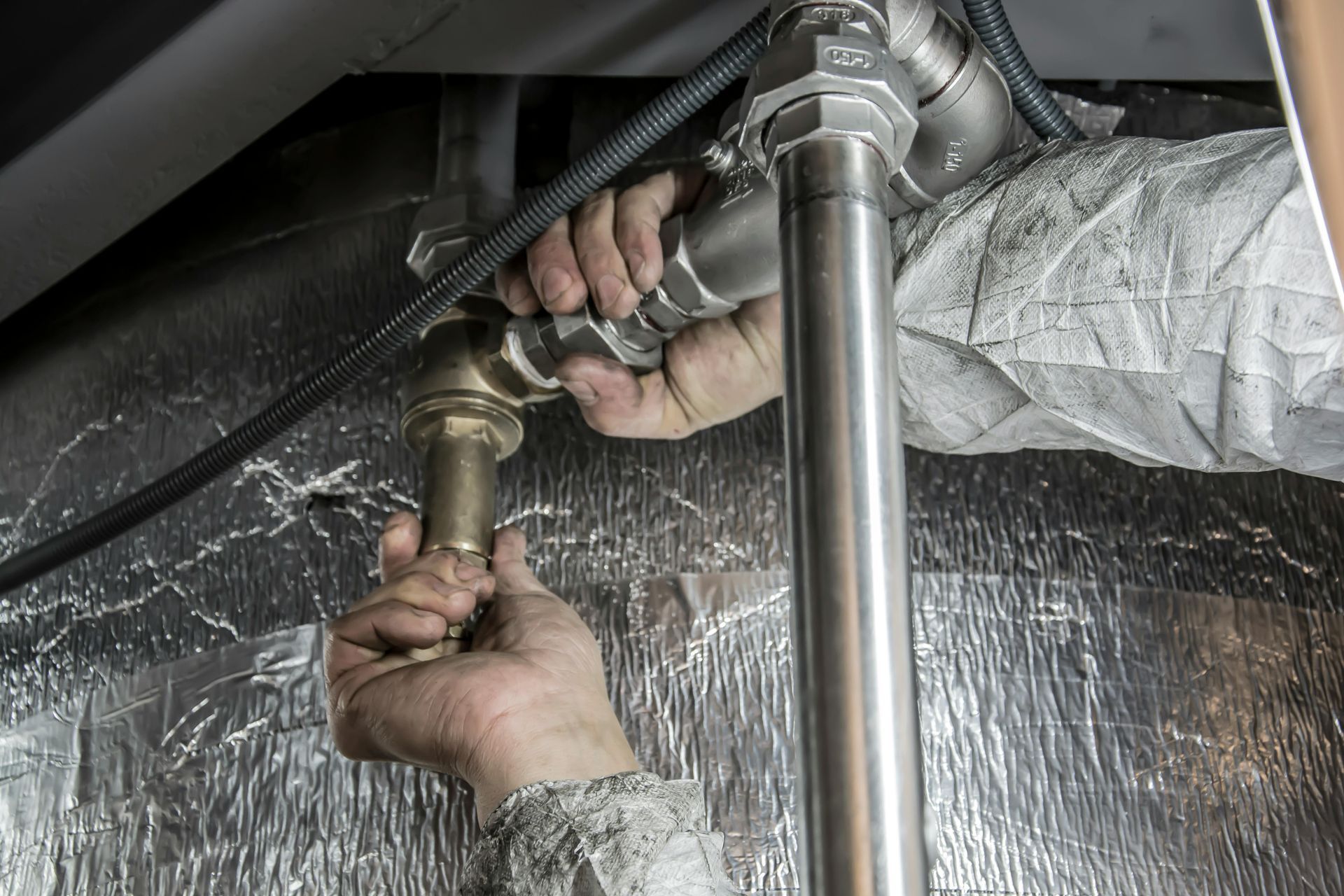
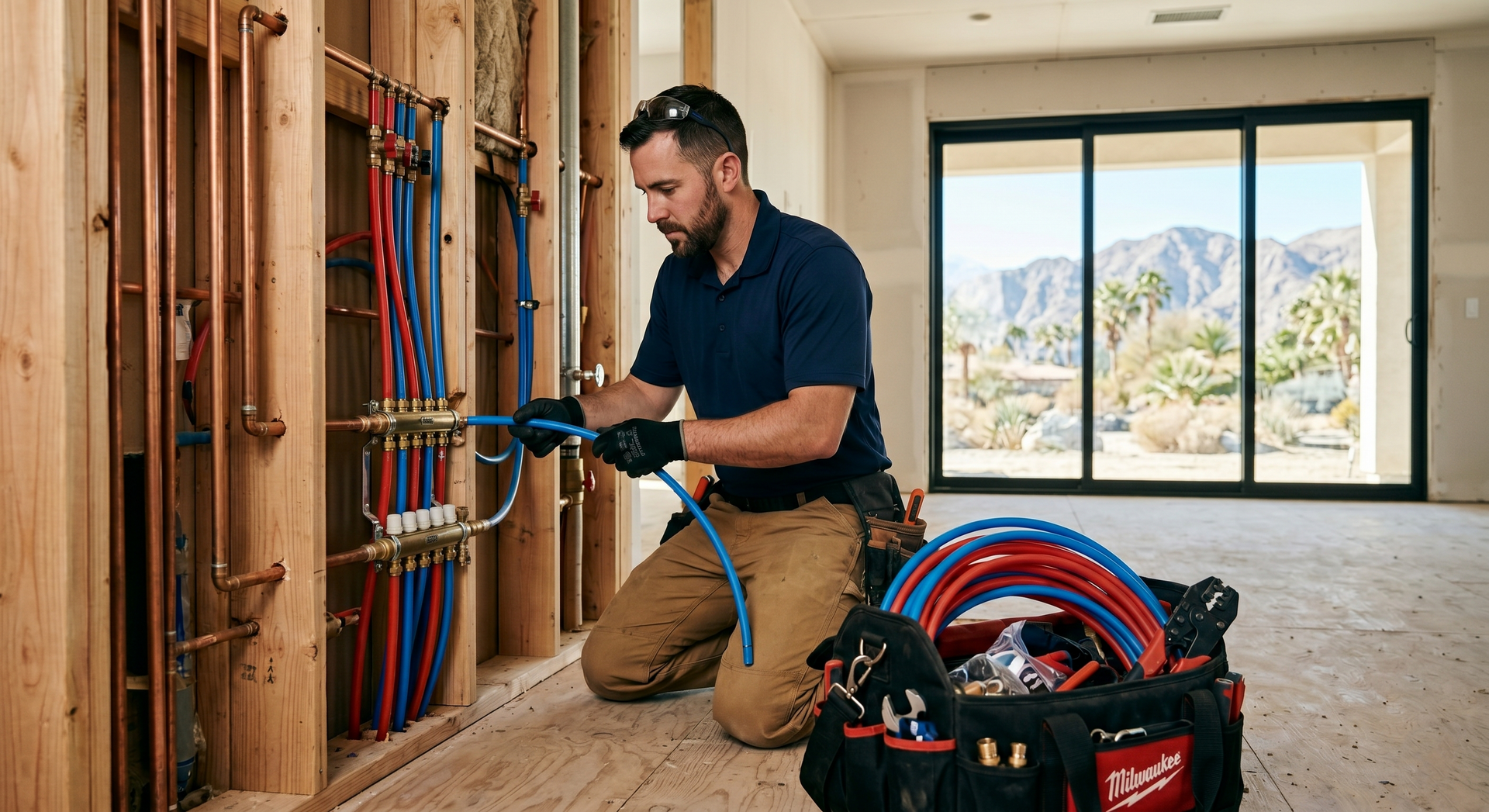
- Water supply lines (hot and cold)
- Drain, waste, and vent (DWV) systems
- Pipe connections for sinks, toilets, showers, and appliances
- Placement of shut-off valves
At this stage, no fixtures are installed yet—just the essential piping system that supports them.
Why the Rough-In Stage Is So Important
The rough-in phase is your one chance to get the plumbing system right before everything is sealed behind walls.
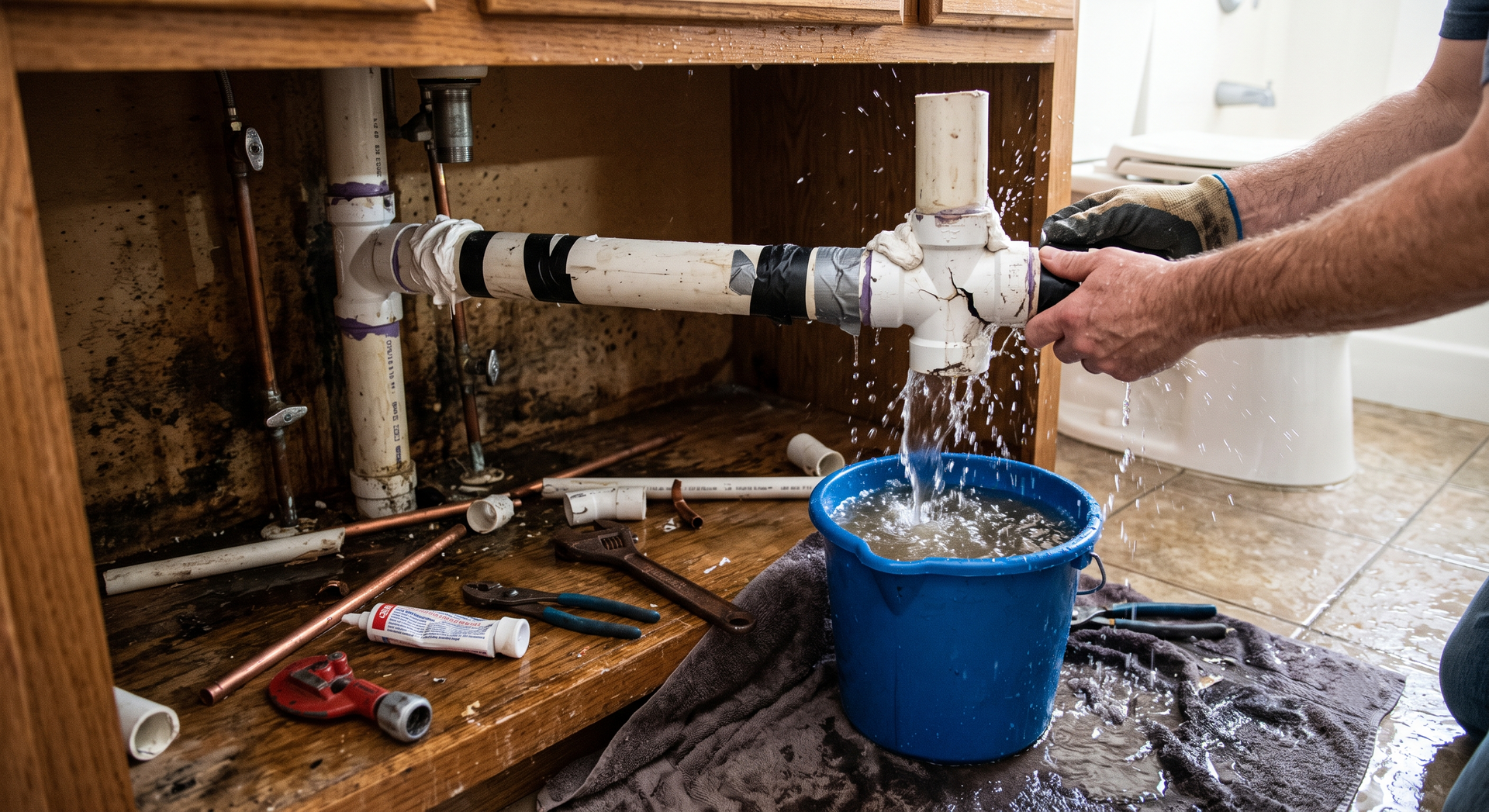
Mistakes during rough-in can lead to:
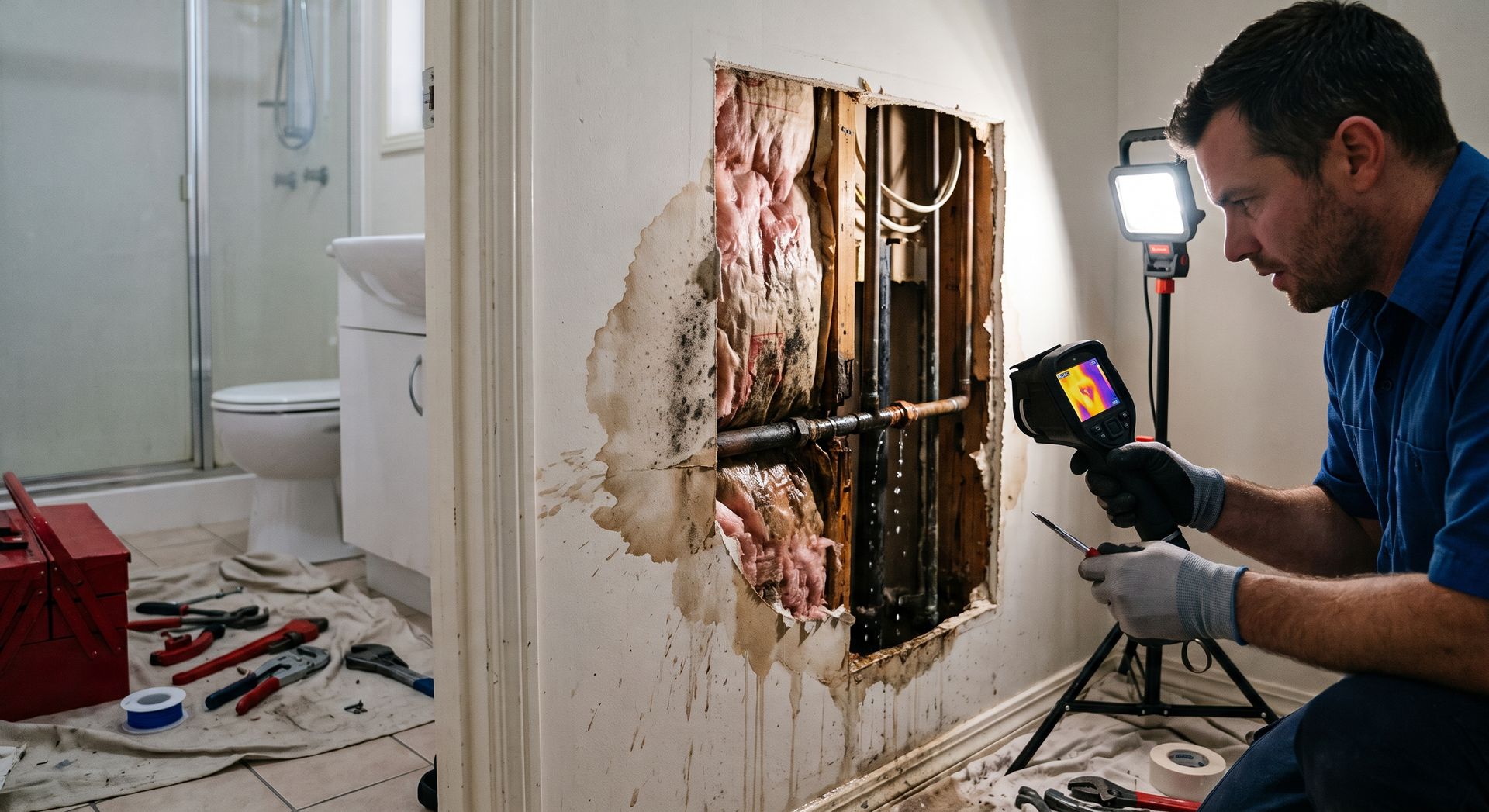
- Leaks hidden behind walls
- Improper drainage
- Poor water pressure
- Failed inspections
- Expensive rework
That’s why working with a trusted local expert like
Connerney Plumbing and Heating is essential during this phase.
When Does Rough-In Plumbing Happen?
Rough-in plumbing typically occurs:
- After framing is completed
- Before insulation and drywall installation
- Before final finishes like tile and cabinetry
This timing allows plumbers full access to walls, floors, and ceilings.
What Happens During the Rough-In Process?
1. Layout and Planning
Plumbers follow blueprints to determine:
- Pipe routes
- Fixture locations
- Venting requirements
Accuracy is critical to avoid conflicts with electrical and structural elements.
2. Installing Water Supply Line
Hot and cold water lines are installed throughout the home.
These lines must:
- Be properly sized
- Maintain consistent pressure
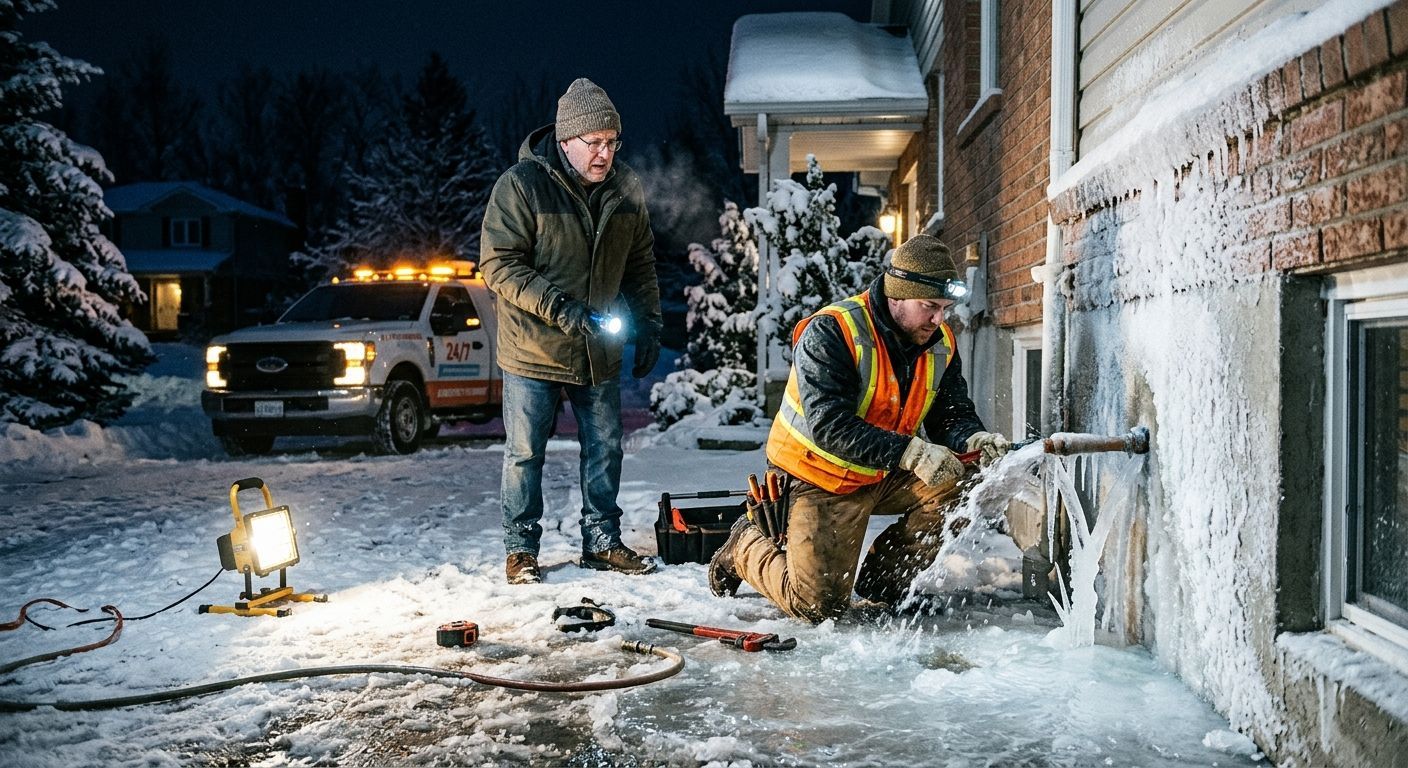
- Be protected from freezing
3. Installing Drain and Vent Systems
Drainage systems remove wastewater, while vents:
- Prevent airlocks
- Ensure smooth water flow
- Eliminate sewer gas buildup
Proper venting is required by Massachusetts plumbing codes.
4. Setting Fixture Connections
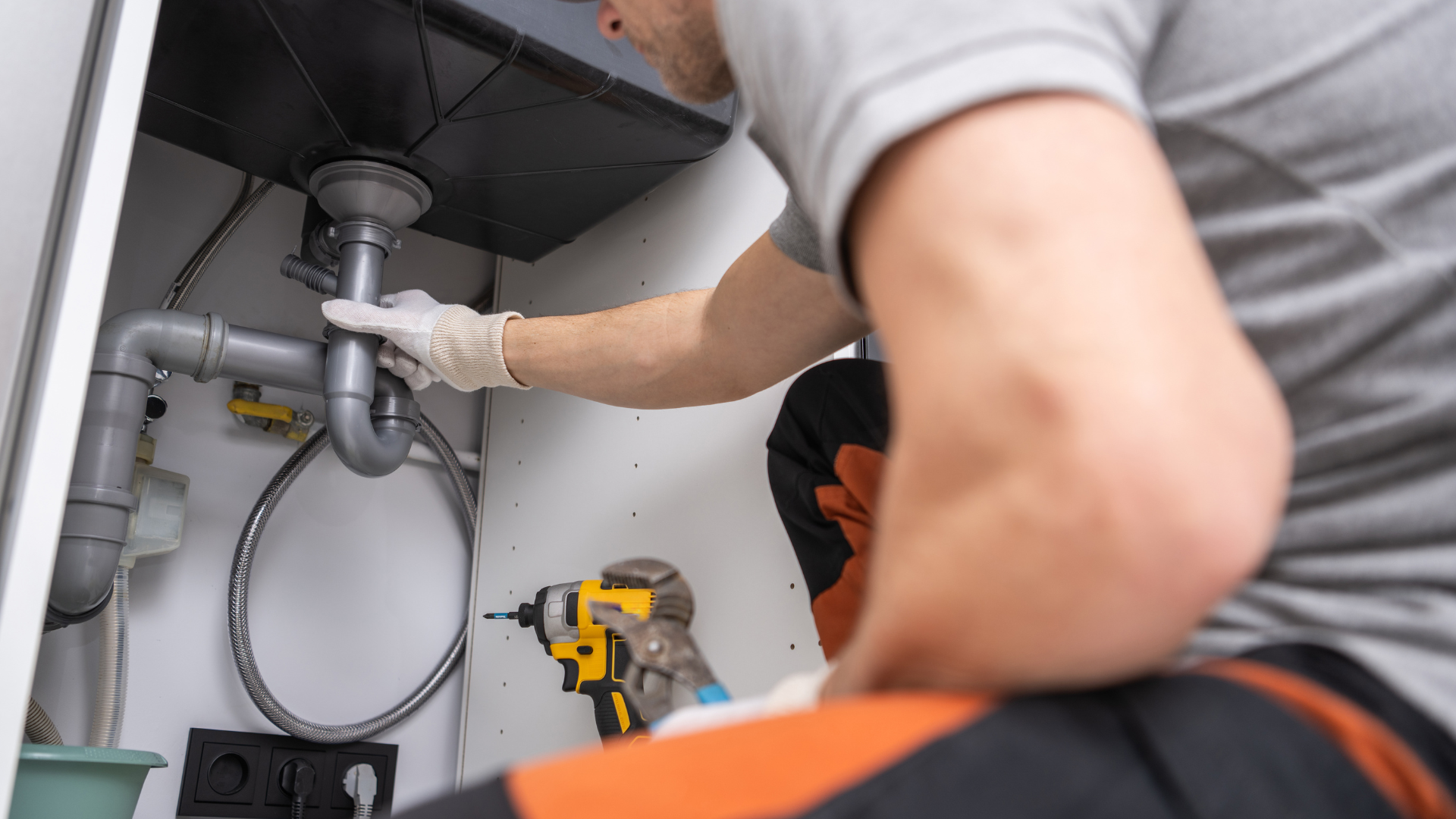
Plumbers install connection points for:
- Toilets
- Sinks
- Showers and tubs
- Appliances
These are positioned precisely for future fixture installation.
5. Pressure Testing and Inspection
Before moving forward:
- Pipes are pressure-tested for leaks
- Inspectors verify code compliance
The project cannot proceed until this stage passes inspection.
How Long Does Rough-In Plumbing Take?
For most homes in Natick:
- Small homes: 2–3 days
- Average homes: 3–5 days
- Large/custom homes: 5–7+ days
Timelines vary based on complexity and coordination with other trades.
Common Challenges During Rough-In
1. Design Changes Mid-Project
Changing layouts after rough-in starts can cause delays and added costs.
2. Coordination with Other Contractors
Plumbing must align with electrical, HVAC, and structural components.
3. Older Infrastructure Connections
Even new homes may connect to older municipal systems in Natick.
4. Weather Conditions
Cold Massachusetts weather can impact installation and timelines.
Best Practices for a Successful Rough-In
Plan Everything in Advance
Finalize layouts and fixture locations before rough-in begins.
Work with Experienced Local Plumbers
Local expertise ensures compliance with Massachusetts codes and Natick-specific conditions.
Use High-Quality Materials
Durable materials reduce long-term maintenance and improve system performance.
Schedule Inspections Early
Avoid delays by coordinating inspections ahead of time.
Local Considerations for Natick, MA
Freeze Protection
Pipes must be insulated and positioned to withstand cold winters.
Strict Code Enforcement
Massachusetts has some of the most rigorous plumbing regulations in the country.
Older Surrounding Infrastructure
Even new builds must integrate with existing municipal systems.
FAQs
What is the difference between rough-in and finish plumbing?
Rough-in installs the pipes; finish plumbing installs fixtures like sinks and toilets.
Can I make changes after rough-in is complete?
Yes, but it can be expensive and require reopening walls.
Do rough-ins require inspection in Massachusetts?
Yes. All rough-in work must pass inspection before moving forward.
What materials are used during rough-in plumbing?
Common materials include PEX, copper, and PVC, depending on the system.
How do I ensure my rough-in is done correctly?
Hire a licensed, experienced plumber familiar with local codes and conditions.
Start Your New Construction Project the Right Way
The plumbing rough-in stage is the backbone of your home’s plumbing system. Getting it right ensures long-term performance, efficiency, and reliability.
Connerney Plumbing and Heating provides expert rough-in plumbing services for new construction in Natick, MA.
Contact us today to discuss your project and ensure your build starts with a solid foundation.
Serving Natick, MA and surrounding communities including Framingham, Wellesley, and Needham.